The 2026 Catering Guide for Your NJ Event
The definitive resource for corporate planners, private hosts, and event managers navigating the New Jersey catering landscape in 2026
In 2026, New Jersey catering has transformed into experiential, mobile dining driven by the FIFA World Cup, America250 celebrations, and the 'New Nostalgia' culinary movement. Food trucks offer 'plug-and-play' solutions bringing their own power, water, and sanitation to venues previously unsuitable for dining. Book weddings 12-18 months ahead, corporate events 3-6 months, and ensure you request your Certificate of Insurance at least 2 weeks before your event.
1. The Transformation of New Jersey Hospitality in 2026
The landscape of event hosting in New Jersey has undergone a seismic shift. The Garden State, historically defined by its static banquet halls and rigid catering infrastructure, has transitioned into an era of decentralized, experiential dining.
Driven by economic factors—including the maturation of hybrid work models, a booming film production industry, and the impending festivities of the Semiquincentennial and FIFA World Cup—the demand for catering has moved beyond mere sustenance to become a primary vehicle for engagement and retention.
This guide serves as the definitive resource for corporate planners, private hosts, and logistics managers seeking to navigate the complex catering ecosystem of New Jersey in 2026. Our focus is on hosted catering—events where the host curates and finances the culinary experience for their guests.
The Rise of the "Third Place" Dining Experience
The post-pandemic recovery has stabilized into a new normal where the definition of an "event venue" has expanded. Corporate offices are no longer just workspaces; they are social hubs requiring hospitality amenities. Private homes in affluent suburbs like Alpine and Short Hills have evolved into entertainment complexes necessitating restaurant-quality service in residential driveways.
This democratization of venue space has fueled the rise of premium food truck catering. Unlike traditional off-premise catering, mobile kitchens offer a "plug-and-play" solution—they bring their own infrastructure (power, water, and sanitation), allowing hosts to activate spaces previously thought unsuitable for dining, from construction sites in Newark to vineyard lawns in Pittstown.
The "New Nostalgia" Culinary Movement
Culinary trend analysis for the tri-state area in 2026 points to a dominance of "Elevated Comfort." While avant-garde gastronomy retains a niche, the broader market has pivoted toward familiarity wrapped in luxury. This trend, termed "New Nostalgia," leverages the emotional connection guests have with childhood staples but executes them with artisanal ingredients and sophisticated technique.
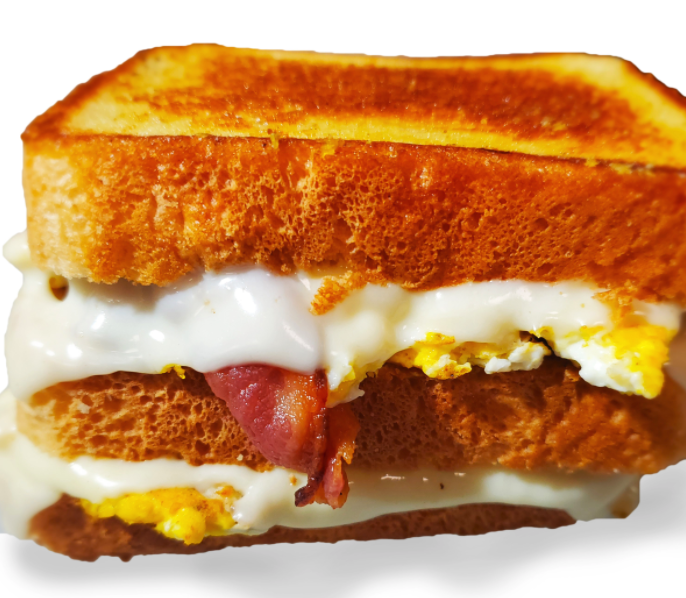
Providers like Grilly Cheese have capitalized on this by reimagining the grilled cheese sandwich not as a simple lunch item, but as a gourmet canvas. By incorporating ingredients like truffle oil, hot honey, and house-made bacon jam into a classic format, hosts can satisfy diverse demographics—from C-suite executives to toddlers—without sacrificing culinary credibility.
2. Strategic Geography: Service Areas and Regional Dynamics
New Jersey's density and economic diversity create distinct micro-markets for catering. Understanding the regional nuances is critical for effective event planning. Grilly Cheese provides extensive coverage across the state, from the NY metro commuter belt to the Philadelphia suburbs.
2.1 The Corporate Corridor: North and Central Jersey
The northern counties—Bergen, Essex, and Morris—represent a high-density zone of corporate headquarters and affluent residential communities.
- Bergen County Hubs: Towns like Alpine, Saddle River, Franklin Lakes, and Ridgewood are centers of private wealth where "driveway catering" for graduations and milestone birthdays is a status signifier. The logistical challenge here is often navigating narrow, winding estate roads and adhering to strict municipal noise ordinances.
- Corporate Centers: The office parks in Parsippany, Morristown, and Summit require high-volume, rapid-service lunch catering. The trend here is "speed-scratch" cooking—fresh meals served in under 60 seconds per guest.
- The Princeton Corridor: Encompassing Princeton, Lawrence, Hopewell, and Pennington, this area is dominated by the academic and pharmaceutical sectors. Events here often demand sustainability and dietary inclusivity (vegan/gluten-free options) to align with institutional values. For detailed options, see the Princeton Area Catering guide.
2.2 The Industrial and Residential Heartland: South Jersey
South Jersey functions as the logistics backbone of the East Coast, creating massive demand for industrial catering.
- Camden County: The revitalization of the Camden Waterfront and the corporate density in Cherry Hill, Voorhees, and Haddonfield drives consistent need for employee appreciation events. The proximity to Philadelphia influences the palate—items like the "Grilly Cheesesteak" perform exceptionally well. See Camden County catering.
- Burlington County: Covering a vast area from the Mount Laurel corporate parks to the rural estates of Medford and Moorestown, this county offers a mix of venue types. The Burlington Industrial Park and similar logistics hubs utilize food trucks to feed warehouse shifts that cannot leave secure facilities. Explore Burlington County catering.
- Gloucester County: Home to the Pureland Industrial Complex, one of the largest in the nation. The sheer scale makes traditional delivery inefficient; mobile kitchens that can park centrally are the preferred solution for feeding thousands of logistics workers.
2.3 The Shore Economy: Seasonal and Destination Events
The Jersey Shore—spanning Monmouth, Ocean, Atlantic, and Cape May counties—operates on a distinct seasonal rhythm.
- Wedding Season: From May through October, coastal towns like Spring Lake, Rumson, and Long Beach Island (LBI) host destination weddings. Food trucks are frequently employed for "after-parties" as guests leave formal receptions, or for "day-after" brunches at rental properties.
- Atlantic City & Cape May: The casino districts and historic Victorian venues often utilize external catering for outdoor activations and beachfront private parties where in-house kitchens cannot reach.
3. Corporate Event Strategy in the Hybrid Era
The corporate sector remains the largest consumer of off-premise catering in New Jersey. However, the objective of these events has shifted from simple subsistence to strategic culture building.
3.1 Tenant Appreciation and Commercial Real Estate
With office vacancy rates stabilizing but competition for tenants remaining fierce, property managers are investing heavily in "amenity activations."
- The Strategy: Property management firms in Cherry Hill, Jersey City, and Newark are moving away from generic cafeteria vouchers. Instead, they book high-end branded food trucks to park directly outside Class A office buildings or industrial warehouses.
- Execution: The host purchases a set volume of servings (e.g., 500 gourmet sandwiches). Tenants redeem these via tickets or digital QR codes, creating a "campus" feel highly valued by tenants deciding whether to renew leases.
- ROI: Data suggests tenant satisfaction scores correlate strongly with the frequency of these "surprise and delight" events. A hot, fresh meal is perceived as significantly higher value than pre-packaged options.
For property managers, Corporate Events packages are designed for high-throughput efficiency.
3.2 Employee Retention and Return-to-Office Incentives
Major New Jersey employers—such as Subaru of America (Camden), TD Bank (Cherry Hill), and pharmaceutical giants in the Route 1 Corridor—are utilizing catering as a "magnet" to encourage physical office presence.
- The "Pop-Up" Event: Unlike scheduled quarterly meetings, 2026 sees a trend in "random" appreciation days. A mobile kitchen appearing in the parking lot on a Tuesday signals to employees that they are valued year-round.
- Micro-Events: Instead of one massive holiday party, companies are hosting smaller, department-level lunches. This allows for more intimate team building and is logistically easier to manage with a single food truck visiting different building wings over the course of a week.
3.3 Safety Meetings and "Toolbox Talks"
New Jersey's infrastructure boom, fueled by federal funding and World Cup preparations, has led to massive construction activity. Site safety meetings, known as "Toolbox Talks," are mandatory but often suffer from low engagement.
- The Catering Solution: General Contractors use hot, hosted breakfasts or lunches to incentivize attendance at these 6:00 AM meetings. A food truck that can navigate rough terrain is superior to delivery services that cannot access secure zones.
- Nutritional Needs: Menus prioritize high-protein, hearty items to fuel physical labor. The Grilly Cheese menu, with options like the "Hot Pig Dog" (hot dog with cheddar and bacon) and dense grilled cheese sandwiches, provides the caloric density required for construction crews.
3.4 Film and Television Production Catering
2026 is a watershed moment for New Jersey's film industry ("Hollywood East"), with major studios anchoring in the state. Production catering requires speed, discretion, and the ability to serve at odd hours.
- 1888 Studios (Bayonne): The largest ground-up studio development in the Northeast requires massive daily catering volumes.
- Netflix Studios (Fort Monmouth): The revitalization of this mega-site involves extensive construction and production crews needing on-site feeding.
- Lionsgate Newark: A dedicated studio complex in the South Ward requiring diverse catering options to keep productions on schedule.
"Second Meal" (served 6 hours after lunch) is a critical morale booster during 14-hour shoot days. Food trucks provide a "break from the set" atmosphere that pre-boxed meals cannot match.
4. The Wedding Revolution: From Barns to Boardwalks
The New Jersey wedding market has pivoted away from the cookie-cutter "Venetian hour" toward personalized, rustic, and bohemian experiences. Couples in 2026 are prioritizing "vibe" over tradition.
4.1 The Hosted Food Truck Wedding
Food trucks have graduated from being an "after-party" novelty to serving as the primary culinary engine for many weddings.
- Reception Flow: Instead of a plated dinner where guests are confined to tables for hours, food trucks create an interactive "market style" dining experience. Guests order from the window, encouraging mingling and movement across the venue.
- Late Night "Exit Stations": The most popular usage remains the late-night snack. As guests leave the reception at 1:00 AM, a hot, savory sandwich acts as a memorable parting gift and a responsible alcohol-absorption strategy.
For couples planning their nuptials, wedding catering packages offer scalable options from cocktail hour appetizers to full meal service.
4.2 Rustic and Agricultural Venues
The "Modern Farmhouse" aesthetic dominates the 2026 wedding scene. Many authentic venues lack full commercial kitchens, making self-contained food trucks the only viable catering option.
- The Farm on Main (West Creek): A venue that explicitly encourages outside catering, with grounds suited for truck access.
- Johnson's Locust Hall Farm (Jobstown): Offers expansive grounds where trucks can pull up directly adjacent to reception tents.
- Bishop Farmstead (Southampton): A historic setting in the Pinelands that pairs perfectly with artisanal comfort food menus.
4.3 Wineries and Breweries
New Jersey's craft beverage scene is booming. Many venues hold liquor licenses but lack food service permits, creating a symbiotic relationship with caterers.
- Laurita Winery (New Egypt): Famous for its public food truck festivals, structurally designed to accommodate mobile kitchens for private weddings.
- Beneduce Vineyards (Pittstown): Allows intimate, food-truck-catered gatherings in their "Oasis" area.
- Bent Iron Brewing (Hamilton): A newer entrant offering private event spaces perfect for casual engagement parties or rehearsal dinners.
4.4 Park Pavilions and Public Spaces
For budget-conscious or nature-focused couples, county parks offer beautiful pavilions. However, regulations are strict regarding external vendors.
- Monmouth County Parks: Venues like Holmdel Park and Seven Presidents Oceanfront Park allow food trucks but require specific COIs naming the county. Trucks must remain in designated parking zones.
- Mercer County Park: The marina and pavilion areas are popular for "festival style" weddings. Catering permits must be secured weeks in advance.
- Bergen County Parks: Van Saun Park has specific catering zones. Hosts must verify if a separate fire permit is required by the municipality.
5. Niche and Emerging Event Markets
Beyond traditional corporate and wedding sectors, several niche markets have emerged as significant consumers of hosted catering in 2026.
5.1 Cannabis Consumption Lounges
With the legalization and maturation of New Jersey's cannabis market, consumption lounges have opened in towns like Atlantic City, Newark, and Merchantville.
- The Regulatory Gap: State regulations strictly prohibit these lounges from selling food or alcohol. However, patrons are legally allowed to bring food in or have it delivered.
- The Opportunity: This creates a unique model for private parties. A host can rent a lounge and hire a catering truck to park immediately outside. Guests consume cannabis inside and step out for hot, fresh food—fully compliant with all regulations.
5.2 Esports and Gaming Events
The popularity of competitive gaming has led to the rise of dedicated venues like NxGn Arena (Edgewater) and Helix eSports (North Bergen). These venues host corporate team-building tournaments and birthday parties, often lacking full kitchens.
The demographic (Gen Z and Millennials) aligns perfectly with the "handheld, high-flavor" profile of gourmet grilled cheese and street food.
5.3 University Life and Alumni Events
New Jersey's higher education institutions are cities unto themselves, requiring massive catering volume.
- Princeton University: The "Reunions" weekend is legendary, with individual residential colleges hiring distinct caterers. Trucks are favored for their ability to set up in courtyards without damaging historic infrastructure.
- Rutgers University: Tailgating culture at the New Brunswick campus is massive. Student life organizations frequently hire trucks for "Spring Fever" or welcome week events. (Note: Rutgers has strict beverage exclusivity policies.)
- Rowan University (Glassboro): The expanding campus hosts frequent "Prof's Place" events where food trucks provide a break from dining hall routine.
5.4 Real Estate and Luxury Automotive
In NJ's competitive luxury markets, "experience" is a sales tool.
- Real Estate Open Houses: In affluent towns like Rumson, Short Hills, and Alpine, brokers host "Luncheons" where a food truck parks in the driveway of a multi-million dollar listing. This keeps potential buyers on the property longer.
- Luxury Auto Dealerships: Dealerships along Route 17 and Route 73 (Ferrari, Porsche, etc.) use catered launch parties for new models to attract high-net-worth clients.
6. Major 2026 Economic Drivers
Two colossal events loom over the 2026 calendar, creating unique pockets of demand.
6.1 FIFA World Cup 2026
MetLife Stadium in East Rutherford is a host venue for the World Cup. While in-stadium concessions are contracted, the off-site impact is massive.
- Hospitality Suites: Corporate sponsors and international delegations will rent private estates, warehouses, and event spaces in Bergen and Hudson Counties. These "pop-up" headquarters require round-the-clock catering.
- Fan Zones: Municipalities across the state will host "watch parties" in public parks. Townships will hire food trucks to provide free or subsidized food to residents attending community gatherings.
6.2 America250: The Semiquincentennial
2026 marks the 250th anniversary of the United States. As the "Crossroads of the Revolution," New Jersey will host year-round commemorative events.
- Historical Sites: Venues like Washington Crossing State Park, Monmouth Battlefield, and the Old Barracks in Trenton will see a surge in private historical society dinners and VIP reenactment events.
- Thematic Fit: Catering that nods to American classics—like gourmet grilled cheese and hot dogs—is thematically perfect for these heritage events.
8. Navigating Regulations and Safety in 2026
Hosting a compliant event in New Jersey requires navigating a patchwork of municipal rules.
8.1 Fire Safety Updates (April 2025 Code)
The NJ Division of Fire Safety updated the Uniform Fire Code in April 2025, specifically impacting mobile vendors:
- Type 1 Permits: Required for any enclosed mobile kitchen producing grease-laden vapors. The truck must have a valid suppression system inspection and a Type 1 permit for the specific event date/location.
- Propane Checks: Annual inspections of LP gas piping are now strictly enforced. Hosts should ensure their caterer can produce these certifications upon request by the Fire Official.
8.2 Insurance (COI)
Venues ranging from county parks to corporate high-rises will demand a Certificate of Insurance (COI):
- Standard: General Liability of $1M per occurrence / $2M aggregate
- Process: Requests for COIs should be made at least 2 weeks prior to the event to allow the caterer's broker to process the "Additional Insured" language specific to the venue.
Frequently Asked Questions
What are the major 2026 events driving catering demand in New Jersey?
The FIFA World Cup (with MetLife Stadium as a host venue) and America250 (the Semiquincentennial) are generating unprecedented demand for catering across hospitality suites, fan zones, and commemorative events at historical sites.
What is the "New Nostalgia" culinary trend?
It leverages emotional connections to childhood favorites but executes them with artisanal ingredients—like gourmet grilled cheese with truffle oil and hot honey—making comfort food suitable for corporate and wedding events.
How far in advance should I book for a 2026 NJ event?
Weddings: 12-18 months; Corporate: 3-6 months; Private Parties: 2-3 months. Book earlier than usual due to World Cup and America250 demand.
What are the space requirements for a food truck?
You need 30ft x 10ft of level ground with 13ft overhead clearance. Trucks are self-sufficient with generators—no venue power required.
What insurance is required for NJ venue catering?
A COI with $1M/$2M General Liability coverage. Request at least 2 weeks in advance to add venue-specific "Additional Insured" language.
Conclusion
The 2026 event season in New Jersey offers unprecedented opportunities for hosts who are willing to embrace innovation. The shift from static banquet catering to dynamic, hosted mobile dining allows for greater personalization, higher food quality, and a more engaging guest experience.
Whether energizing a film crew at 1888 Studios, celebrating a marriage in a Pinelands barn, or appreciating tenants in a Mount Laurel office park, the ability to bring a high-end kitchen directly to the guest is an invaluable asset. Grilly Cheese stands ready to serve as the premier partner in this new era of hospitality, combining award-winning food with the logistical expertise necessary to execute flawless events across the Tri-State area.
Related Guides
The ultimate guide to booking food truck catering in New Jersey
Step-by-step guide for first-time food truck event planners
Understand pricing factors and what affects your quote
Start Planning Your 2026 NJ Event
Whether it's a World Cup watch party, corporate appreciation event, or dream wedding—get your custom quote today.